Klinische Protokolle
Vollständige Verfahrensrichtlinien von der Vorbeurteilung bis zur Nachsorge
Klinische Evidenz — nicht FDA-bewertet
Diese Protokolle fassen veröffentlichte klinische Richtlinien, systematische Übersichtsarbeiten und institutionelle Best Practices zusammen. Behandler müssen sie an ihr spezifisches klinisches Setting anpassen und die geltenden Gesetze zum staatlichen Tätigkeitsumfang einhalten. Jede Hirudotherapie muss von zugelassenen Gesundheitsanbietern oder unter deren Aufsicht durchgeführt werden.
Kapitel 22: Klinische Protokolle — Vollständige Referenz
Die medizinische Blutegeltherapie (Hirudo verbana) ist ein FDA 510(k)-zugelassenes Verfahren unter Verwendung eines 510(k)-zugelassenen Medizinprodukts (Kategorie unklassifiziert Pre-Amendment). Erfolgreiche klinische Ergebnisse hängen von der strikten Einhaltung standardisierter Protokolle in jeder Phase ab: Vorbereitung der Einrichtung, Patientenbeurteilung, Blutegel-Auswahl und -Anwendung, intraoperative Überwachung, Wundversorgung nach dem Eingriff, Antibiotikaprophylaxe und Komplikationsmanagement. Diese Seite bietet die vollständige Verfahrensreferenz.
Schlüsselprinzipien
- Sterilitäts-Paradox: Das Verfahren verwendet einen lebenden Organismus mit einem obligaten Darmsymbionten (Aeromonas hydrophila). Die Infektionsprävention beruht auf Antibiotikaprophylaxe, nicht allein auf steriler Technik.
- Blutverlust ist kumulativ: Jeder Blutegel entfernt 15-65 mL. Serielle mikrochirurgische Protokolle (3-6 Blutegel q4h × 5 Tage) können 2-5 Liter kumulativen Blutverlust verursachen. 49,75% der mikrochirurgischen Patienten benötigen eine Transfusion (Whitaker 2012).
- Einwilligung ist kritisch: Die informierte Einwilligung ist der Bereich mit dem höchsten medizinrechtlichen Risiko. Patienten müssen die Y-förmige Bissnarbe, die 4- bis 24-stündige Blutung, das 7-20% Infektionsrisiko ohne Prophylaxe und die Transfusionsmöglichkeit verstehen.
- Niemals gewaltsam ziehen: Gewaltsame Entfernung birgt Risiken der Aeromonas-Regurgitation in die Wunde, Zahnausriss und Gewebetrauma.
- Alles dokumentieren: Checkliste vor dem Eingriff, SOAP-Notizen, Anordnungen nach dem Eingriff und Entlassungsanweisungen bilden einen rechtlich verteidigungsfähigen medizinischen Datensatz.
Anforderungen an Einrichtung und Ausrüstung
Spezifikationen für den Eingriffsraum
| Parameter | Spezifikation | Begründung |
|---|---|---|
| Temperature | 22–25°C (72–77°F) | Leeches become sluggish below 20°C; above 25°C increases metabolic stress |
| Lighting | Bright, adjustable overhead | Precise site visualization; dimming for patient comfort during wait |
| Ventilation | Adequate airflow; no fragrances | Leeches refuse attachment in presence of perfumes, disinfectant fumes, or strong odors |
| Surfaces | Nonporous, easily disinfected | Blood and body fluid cleanup; OSHA compliance |
| Sink access | Handwashing station within room | Hand hygiene before/after; water for leech handling |
| Patient positioning | Adjustable chair or examination table | Patient must remain comfortable for 30–90 minutes; recline capability for vasovagal |
Ausrüstungsliste (19 Artikel)
| # | Artikel | Spezifikation | Geschätzte Kosten (USD) |
|---|---|---|---|
| 1 | FDA-cleared medicinal leeches | Hirudo verbana; suppliers: Ricarimpex (France), Biopharm (UK), Carolina Biological (US) | $10–15/leech |
| 2 | Storage containers | Glass jars, 1–3L, wide-mouth | $5–15 |
| 3 | Dechlorinated water | Bottled spring water or tap water aged 24h uncovered | $3–10 |
| 4 | Aquarium thermometer | Submersible, range 10–30°C | $3–8 |
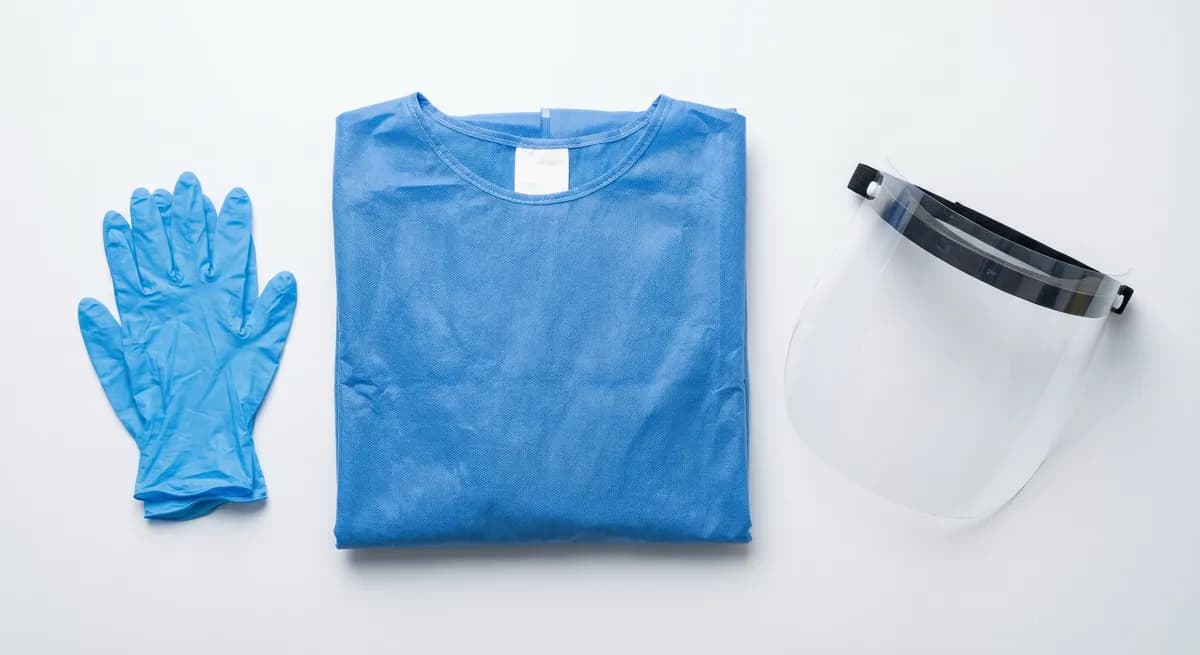
| 5 | Nitrile examination gloves | Box of 100, nonlatex (latex may deter leeches) | $8–15 |
| 6 | Blunt-tipped forceps | Stainless steel, for leech transfer (not grasping) | $5–10 |
| 7 | Syringe guides | 5–10 mL syringes with plunger removed; directs leech to precise site | $0.50 each |
| 8 | Sterile gauze pads | 4×4 inch, non-woven; large quantity for post-detachment bleeding | $5–10/pack |
| 9 | Semi-permeable membrane | Thin barrier film to confine leeches to application zone | $5–15 |
| 10 | Absorbent underpads | Disposable, waterproof backing, for bed/chair protection | $10–20/pack |
| 11 | Biohazard waste container | Red, leak-proof, biohazard labeled | $15–30 |
| 12 | 70% ethyl alcohol | 500 mL; for euthanizing used leeches and detachment stimulation | $5–10 |
| 13 | Medical tape | Hypoallergenic, paper or silk; for dressing securement | $3–5 |
| 14 | Application window/ring | Adhesive barrier to restrict leech migration; optional | $5–10 |
| 15 | Vital signs monitor | Blood pressure cuff, pulse oximeter, thermometer | $50–300 |
| 16 | Timer | Digital timer for feeding duration and monitoring intervals | $5–10 |
| 17 | Camera / phone | Clinical photography for wound documentation (with consent) | Existing |
| 18 | Sterile needle (25G) | For producing blood droplet to encourage attachment | $0.10 each |
| 19 | Emergency supplies kit | See Emergency Supplies section below | $200–500 |
| Gesamte Anlaufkosten (ohne Blutegel) | $350-$1,000 | ||
Blutegel-Lagerung und Qualitätssicherung
Lagerprotokoll (8 Punkte)
- Use glass jars (1–3L) with wide mouths — never plastic (chemical leaching)
- Fill with dechlorinated water: bottled spring water OR tap water left uncovered 24 hours to off-gas chlorine
- Change water every 3–4 days; inspect for turbidity, dead leeches, or mucus
- Maximum density: 10 leeches per liter of water
- Cover with 4-layer gauze secured by rubber band — leeches are strong escape artists
- Store at 18–22°C (64–72°F); away from sunlight and vibration
- No aromatic substances in storage area (perfumes, cleaning agents, hand sanitizer)
- Never mix fed and unfed leeches — fed leeches release digestive enzymes; unfed leeches may cannibalize
Shelf life: Use within 30 days of receipt for optimal feeding activity and therapeutic efficacy.
Daily inspection: Check for lethargic or dead leeches (pale, non-responsive to touch); remove immediately.
Qualitätsindikatoren für therapie-bereite Blutegel (5 Kriterien)
- Active swimming: Vigorous, sinusoidal movement when container is gently agitated
- Firm body: Muscular tone when lifted with blunt forceps; not flaccid or bloated
- Dark coloration: Healthy olive-green to dark brown dorsal surface; ventral lighter
- Responsive to stimulation: Contracts rapidly when touched; anterior sucker actively explores
- No visible lesions: No white patches, ulcers, swelling, or mucus coating
Ablehnungskriterien
Notfallausrüstung
Notfallausrüstung
| # | Artikel | Spezifikation | Zweck |
|---|---|---|---|
| 1 | Epinephrine autoinjector | 0.3 mg IM (adult); 0.15 mg (pediatric) | Anaphylaxis first-line treatment |
| 2 | Diphenhydramine | 50 mg IM injectable | Allergic reaction; adjunct to epinephrine |
| 3 | Silver nitrate sticks | 75% silver nitrate / 25% potassium nitrate | Chemical cauterization of bleeding bite wounds |
| 4 | Topical thrombin / Gelfoam | Absorbable gelatin sponge or topical bovine thrombin | Hemostasis for refractory oozing |
| 5 | Suture kit | 3-0 and 4-0 absorbable suture with needle driver | Figure-of-eight closure for refractory bleeding |
| 6 | Normal saline | 500 mL bags (0.9% NaCl), ×2 | Volume resuscitation, wound irrigation |
| 7 | Aminocaproic acid | Oral or IV formulation | Antifibrinolytic for refractory bleeding |
| 8 | Blood pressure cuff | Manual or automatic, multiple cuff sizes | Hemodynamic monitoring |
| 9 | Pulse oximeter | Fingertip, with alarm capability | Continuous oxygenation monitoring |
| 10 | IV access supplies | 18G and 20G catheters, tubing, tape, tourniquet | Rapid vascular access for resuscitation |
| 11 | Oxygen delivery | Nasal cannula + non-rebreather mask; portable O2 tank | Respiratory support for anaphylaxis/vasovagal |
| 12 | Albuterol inhaler | MDI with spacer | Bronchospasm management in allergic reaction |
Geschätzte Kosten: $200-500 für ein komplettes Notfallkit. Verfallsdaten bei der monatlichen Ausrüstungsprüfung überprüfen.
Beurteilung vor dem Eingriff
Patientenanamnese-Screening
Eine gezielte Anamnese mit Schwerpunkt auf Blutungsrisiko, Infektionsanfälligkeit und früherer Blutegelexposition ist vor Therapiebeginn wesentlich. Die folgenden 7 Erkrankungen erfordern eine spezifische Bewertung:
| Erkrankung | Screening-Fokus | Maßnahme |
|---|---|---|
| Bleeding disorders | Hemophilia, von Willebrand, thrombocytopenia, liver-related coagulopathy | Hematology consult; may be absolute CI if severe |
| Hepatic disease | Cirrhosis, synthetic dysfunction, portal hypertension | Check PT/INR, albumin; coagulopathy risk |
| Renal disease | CKD stage, dialysis, uremic platelet dysfunction | Check BMP, bleeding time; dose-adjust antibiotics |
| Immunocompromised | HIV/AIDS, transplant, chemotherapy, biologics, chronic steroids | Do NOT hold immunosuppressants; increase infection surveillance |
| Cardiovascular disease | Anticoagulation status, prosthetic valves, recent MI/stent | Coordinate med hold with cardiology; bridge if needed |
| Diabetes mellitus | Type, HbA1c, neuropathy, peripheral vascular disease | Increased infection risk; impaired wound healing; closer follow-up |
| Prior leech therapy | Previous reactions, allergy, infection, sensitization | IgE sensitization possible; if prior anaphylaxis = absolute CI |
Allergie-spezifisches Screening
Antibiotika-Allergien
Speziell nach Fluorchinolon- (Cipro) und Sulfonamid- (TMP-SMX) Allergien fragen — dies sind die beiden Erstlinien-Prophylaktika. Reaktionstyp (Hautausschlag vs. Anaphylaxie) dokumentieren, um die Auswahl der Alternative zu leiten.
Blutegel-SGS-Allergie
Jucken tritt bei 37-75% der Patienten auf (keine Allergie). Echte IgE-vermittelte Reaktionen gegen hirudin und andere Speichelproteine sind selten, aber dokumentiert. Frühere Anaphylaxie auf Blutegeltherapie ist eine absolute Kontraindikation.
Latex-Allergie
Ausschließlich Nitrilhandschuhe verwenden. Latexhandschuhe in der Nähe der Anwendungsstelle können Rückstände übertragen, die die Blutegel-Anhaftung hemmen und eine Patientenreaktion auslösen.
Aktuelle Anamnese (HPI): Spezifische Indikation für die Blutegeltherapie, relevante chirurgische Anamnese (Replantation, Lappentyp, Zeitpunkt) und aktuellen Status des behandelten Gewebes/Gelenks dokumentieren.
Überlegungen zu älteren Patienten (>65 Jahre)
Ältere Patienten erfordern aufgrund altersbedingter physiologischer Veränderungen, die die Behandlungssicherheit und -ergebnisse beeinflussen, zusätzliche Beurteilung und Überwachung vor dem Eingriff.
Beurteilung vor dem Eingriff
- Comprehensive medication review: Document all anticoagulants, antiplatelets, NSAIDs, and supplements (fish oil, vitamin E, ginkgo). Polypharmacy is common in elderly patients and significantly increases bleeding risk.
- Renal function assessment: Calculate CrCl (Cockcroft-Gault) for antibiotic dosing. Fluoroquinolone prophylaxis requires dose adjustment if CrCl <50 mL/min. Ciprofloxacin: 250 mg BID if CrCl 30–50; avoid if <30.
- Baseline hematology: CBC with differential, INR/aPTT, BMP. Lower transfusion threshold (Hgb <8 g/dL in patients with cardiovascular disease). Type and screen for patients on serial protocols.
- Skin integrity assessment: Age-related skin thinning increases wound healing time and scarring risk. Document skin condition at application site. Consider reduced leech numbers per session.
- Cardiovascular assessment: Evaluate for orthostatic hypotension risk, especially with anticipated blood loss. Heart failure patients may have reduced blood volume tolerance.
Anpassungen der Überwachung
- More frequent vital signs: Q2h (vs standard Q4h) during active treatment, especially in patients with cardiovascular comorbidities.
- Lower intervention thresholds: Consider transfusion at Hgb <8 g/dL (vs <7 in younger patients), particularly in patients with coronary artery disease.
- Extended post-procedure observation: Minimum 2 hours post-detachment (vs 1 hour standard) due to delayed recognition of symptoms in elderly patients.
- Fall prevention: Assess mobility and balance before discharge. Ensure caregiver availability for first 24 hours post-treatment.
- Wound care education: Provide written instructions with large font. Confirm understanding with teach-back method. Engage caregiver in discharge education.
Laboranforderungen
| Test | Zweck | Handlungsschwelle | Maßnahme |
|---|---|---|---|
| CBC (Complete Blood Count) | Baseline hemoglobin/hematocrit and platelet count | Hgb <8 g/dL; Plt <50,000/µL | Hgb <8: transfuse before proceeding. Plt <50K: relative CI — hematology consult, weigh risk/benefit |
| PT / INR | Coagulation status (warfarin, liver disease) | INR >3.0; INR 2.0–3.0 | INR >3.0: hold warfarin, recheck, do not proceed. INR 2.0–3.0: proceed with caution, extra hemostasis supplies |
| aPTT | Intrinsic pathway / heparin monitoring | >2× upper limit of normal | Investigate cause; consider heparin hold or reversal; consult hematology |
| Type & Screen | Blood bank readiness for transfusion | Required for all surgical/inpatient | 49.75% of microsurgical patients require transfusion (Whitaker 2012). Must be current (<72h) |
| BMP (Basic Metabolic Panel) | Renal function baseline; electrolyte status | Cr >2.0 or GFR <30 | Dose-adjust renally cleared antibiotics; closer monitoring of fluid balance in multi-day protocols |
| Blood Cultures | Rule out active sepsis if febrile | T >38.0°C or clinical suspicion | Active sepsis = absolute contraindication to leech therapy. Treat infection first. |
Ambulante Ausnahme
Medikamentenmanagement
Antikoagulanzien, Thrombozytenaggregationshemmer und NSAIDs erhöhen das Blutungsrisiko erheblich. Die folgenden Pausenpläne balancieren das Blutungsrisiko gegen das thromboembolische Risiko. Hinweis: 54,29% der mikrochirurgischen Protokolle verwenden begleitende Antikoagulation (Whitaker 2012) — Medikamentenpausen gelten möglicherweise nicht in chirurgischen Rettungskontexten.
| Wirkstoffklasse | Beispiele | Pausenzeit | Anmerkungen |
|---|---|---|---|
| Warfarin | Coumadin | Hold 3–5 days | Target INR <2.0 for elective; bridge with LMWH if high thrombotic risk (mechanical valve, recent DVT) |
| DOACs | Rivaroxaban, apixaban, dabigatran, edoxaban | Hold 24–48h | Shorter half-life than warfarin; 48h for dabigatran if CrCl <50; reversal agents available (idarucizumab, andexanet) |
| Heparin (IV UFH) | Unfractionated heparin drip | Hold 4–6h | Check aPTT before proceeding; protamine available for reversal |
| LMWH | Enoxaparin, dalteparin | Hold 12–24h | 12h for prophylactic dose; 24h for therapeutic dose; partial protamine reversal |
| Aspirin | ASA 81–325 mg | Do NOT routinely hold (surgical); Hold 7 days (elective) | Irreversible COX-1 inhibition; in microsurgical salvage, aspirin is often deliberately continued for antiplatelet effect |
| Clopidogrel | Plavix | Hold 5–7 days | Irreversible P2Y12 inhibition; coordinate with cardiology if recent stent (<12 months) |
| NSAIDs | Ibuprofen, naproxen, diclofenac, ketorolac | Hold 3–5 days pre-procedure | Reversible COX inhibition; also avoid post-procedure for 48h (prolongs bleeding from hirudin's anticoagulant effect) |
| Immunosuppressants | Tacrolimus, mycophenolate, methotrexate, biologics | Do NOT hold | Holding risks rejection/flare. Instead: increase infection surveillance, lower threshold for empiric antibiotics, closer wound monitoring |
Informierte Einwilligung
Informierte Einwilligung
Erforderliche Einwilligungs-Elemente
Art des Verfahrens
- Live FDA 510(k)-cleared medical devices (Hirudo verbana)
- Leeches attach via tripartite jaw producing a characteristic Y-shaped bite mark
- Feeding duration: 20–45 minutes per leech (up to 60–90 min for large leeches)
- Leeches inject saliva containing hirudin (anticoagulant) and other bioactive compounds
- Post-detachment oozing is expected and therapeutic (continued decompression)
Erwartete Vorteile
- Venous decongestion and improved tissue perfusion
- Tissue/flap salvage (78% overall salvage rate; Whitaker 2012)
- Pain reduction in musculoskeletal conditions
- Local anti-inflammatory and analgesic effects via salivary compounds
Alternativen zur Blutegeltherapie
- Heparin-soaked gauze (passive decompression)
- Surgical revision / re-exploration
- Hyperbaric oxygen therapy (HBO)
- Negative pressure wound therapy (NPWT)
- Observation and expectant management
- Patient may refuse treatment at any time
Häufige Nebenwirkungen (erwartet)
| Nebenwirkung | Häufigkeit | Dauer |
|---|---|---|
| Post-detachment bleeding/oozing | 100% | 4 to 24 hours (normal) |
| Mild sting/pinch at attachment | ~100% | 30 seconds to 2 minutes |
| Itching at bite site | 37–75% | 1–14 days; may be delayed |
| Local hematoma / ecchymosis | Common | 5–14 days |
| Y-shaped bite scar | 100% | Permanent; 2–3 mm; fades over months |
| Regional lymphadenitis | 6–13% | Days to weeks; self-limiting |
Schwerwiegende Risiken (Müssen offengelegt werden)
| Risiko | Rate | Details |
|---|---|---|
| Aeromonas infection | 7–20% (without prophylaxis) | Prophylactic antibiotics reduce risk to <5%. Infection drops tissue salvage from 88% to 37.4% |
| Transfusion requirement | 49.75% (surgical series) | Cumulative blood loss in serial protocols. Type & screen required for surgical patients |
| Allergic reaction / anaphylaxis | Rare (<1%) | IgE sensitization to leech SGS proteins; may occur on re-exposure |
| Treatment failure | 22% | 78% overall salvage rate; failure increases with infection, delay, and arterial insufficiency |
Blutegel-Auswahl und Dosierung nach Indikation
Auswahlkriterien
Größenauswahl
- Small (3–5 cm): Delicate areas — digits, ears, eyelids, pediatric
- Standard (6–10 cm): Most indications — flaps, joints, general use
- Large (>10 cm): Heavy decompression — large flaps, extensive congestion
Aktivitätsbeurteilung
- Vigorous swimming when agitated
- Rapid contraction when touched
- Active exploration with anterior sucker
- Firm muscular body tone
Hungerverifikation
- Flat, non-distended body (not recently fed)
- Actively seeking warm objects/skin
- Unfed for minimum 2–4 weeks (supplier standard)
- Never use a leech that has previously fed on a patient
Indikationsspezifisches Dosierungsprotokoll
| Indikation | Standarddosis | Bereich | Häufigkeit | Kontext |
|---|---|---|---|---|
| Digit replantation | 1–2 | 1–3 | Every 2–4 hours | FDA-cleared; small leeches; serial application days 1–5 |
| Ear replantation | 1–2 | 1–3 | Every 2–4 hours | FDA-cleared; small leeches; delicate tissue handling |
| Free flap (head/neck) | 2–4 | 1–6 | Every 2–8 hours | FDA-cleared; standard leeches; assess tissue color between sessions |
| DIEP/TRAM breast flap | 2–3 | 1–4 | Every 4–8 hours | FDA-cleared; standard to large leeches; larger surface area |
| Knee osteoarthritis | 4–6 | 4–8 | Single treatment | Periarticular placement; RCT-supported (Michalsen 2003, n=51) |
| Thumb CMC-1 OA | 2–3 | 2–3 | Single treatment | Small leeches; periarticular (Michalsen 2008, n=32) |
| Lateral epicondylitis | 2–4 | 2–4 | Single treatment | Over lateral epicondyle (Backer 2011, n=52) |
| Chronic low back pain | 4–7 | 4–7 | Single treatment | Paravertebral bilateral placement (Michalsen 2018, n=44) |
Schattierte Zeilen = FDA 510(k)-zugelassene mikrochirurgische Indikationen.
Blutverlust-Schätzung
Each leech removes approximately 15–65 mL total: 5–15 mL during active feeding + 10–50 mL post-detachment oozing (anticoagulant effect of injected hirudin). For a single session with 6 leeches, anticipate 90–390 mL total blood loss.
Serial microsurgical protocol: 3–6 leeches every 4 hours × 5 days = potential cumulative blood loss of 2–5 liters. This is why 49.75% of microsurgical patients require transfusion (Whitaker 2012). Hematocrit monitoring every 4–8 hours is mandatory.
Vorbereitung der Stelle und Anwendungstechnik
Vorbereitung der Stelle (5 Schritte)
- Clean with warm water only — NO alcohol, betadine, chlorhexidine, or any antiseptic. Chemical residues prevent leech attachment and may be toxic to the leech.
- Shave hair if present — Leeches cannot attach through hair; clip or shave a 5 cm radius around each intended site.
- Mark application sites — Use a surgical skin marker to indicate exact placement points. Essential for documenting bite locations and ensuring symmetric placement.
- Apply application window (optional) — An adhesive ring or barrier film around the target area prevents leech migration to unintended sites. Especially useful for facial or periorbital application.
- Protect surrounding areas — Absorbent underpads beneath the treatment area. Barrier drapes to prevent leech escape. Warm the skin if ambient temperature is low (warm moist gauze for 2–3 minutes).
Standard-Anwendungsmethode (5 Schritte)
- Don nitrile gloves; have forceps, gauze, and containment supplies within reach
- Transfer selected leech(es) from storage jar to a small clean container using blunt forceps
- Invert the small container directly over the prepared application site; leech drops onto skin
- Leech attaches within 30 seconds to 5 minutes — confirmed by rhythmic body contractions (peristaltic feeding movements)
- Cover feeding leech loosely with moist gauze (3–4 layers) to maintain humidity and prevent desiccation; do not compress
Spritzenführungsmethode (Präzise Platzierung)
- Remove plunger from a 5–10 mL syringe. Place leech inside the barrel with anterior (head) end toward the open tip.
- Press syringe tip firmly against skin at the exact target point. The confined space directs the leech to attach at the precise location.
- Once attached (rhythmic contractions visible), gently slide syringe barrel away. Optionally, pulling the plunger creates mild negative pressure to encourage engorgement.
Am besten geeignet für: Finger, Ohren, kleine Lappen, Bereiche nahe kritischer Strukturen (Augen, Öffnungen) oder wenn präzise Platzierung im Millimeterbereich erforderlich ist.
Fehlerbehebung bei Anhaftungsverweigerung
- Warm the skin with a moist warm gauze compress for 2–3 minutes (increases blood flow to surface)
- Prick the skin with a sterile 25G needle to produce a small blood droplet at the target site
- Try a different leech — some individual leeches are more responsive than others
- Ensure no chemical residues on skin (alcohol, soap, perfume, antiseptic)
- Check room temperature (must be 22–25°C) and absence of strong odors
Bedrohliches Zeichen
Einen nahrungsaufnehmenden Blutegel NIEMALS gewaltsam ziehen
Intraoperative Überwachung
Chirurgische/Stationäre Überwachung (6 Parameter)
| Parameter | Häufigkeit | Schwelle / Maßnahme |
|---|---|---|
| Vital signs (HR, BP, SpO2, Temp) | Every 30 min during active feeding | Tachycardia >100, SBP <90, SpO2 <92%: reassess and intervene |
| Tissue assessment | Every 30 min (color, turgor, cap refill, Doppler) | Worsening congestion despite therapy: increase leech frequency or number; persistent arterial insufficiency: surgical re-exploration |
| Hematocrit / Hemoglobin | Every 4–8 hours | Transfuse if Hgb <7 g/dL (or <8 in CAD patients). 49.75% will need transfusion |
| Leech feeding status | Continuous visual observation | Detachment before 20 min: tissue may lack adequate perfusion. Failure to engorge: try different leech or reassess tissue viability |
| Post-detachment bleeding | Every 1–2 hours for first 6 hours | Count saturated gauze pads; >10 pads in 4 hours = activate bleeding algorithm |
| Pain assessment (NRS 0–10) | Every 2 hours | Score >5: acetaminophen 1000 mg PO/IV. Avoid NSAIDs. Score >7: consider opioid rescue |
Ambulante/Muskuloskelettale Überwachung (3 Parameter)
| Parameter | Zeitpunkt | Maßnahme |
|---|---|---|
| Vital signs | Before and after procedure | Document baseline and post-procedure; hold discharge if SBP <100 or symptomatic orthostasis |
| Pain (NRS) | Before, during, and 30 min after | Report sustained >5/10 after procedure. Document pain trajectory for efficacy assessment |
| Bleeding status | At detachment and 30 min post | Ensure manageable oozing before discharge; patient must demonstrate dressing management |
Nahrungsaufnahmedauer und Ablösung
Dauer
- Typical feeding: 20–45 minutes
- Large leeches / heavy congestion: 60–90 minutes
- Engorgement: 5–10× original body weight when fully sated
- Leech detaches spontaneously when sated — do not rush
Ablösungstechniken (Falls vorzeitiger Abbruch erforderlich)
- Natural: Wait for spontaneous detachment (preferred)
- Stimulation: Gently touch cotton swab moistened with 70% alcohol or vinegar near (not on) the anterior sucker
- Salt/alcohol: Place a few grains of table salt or a drop of alcohol adjacent to the head end
- NEVER: Pull, twist, burn, or apply substances directly onto the leech body
Entsorgungsprotokoll (6 Schritte)
- Immediately place detached leech into 70% ethyl alcohol — euthanasia within minutes
- Transfer euthanized leech to red biohazard waste container
- Seal container when full; label with date and contents
- Dispose through regulated medical waste stream per OSHA 29 CFR 1910.1030
- Never reuse a leech that has fed on a patient (blood-borne pathogen transmission risk)
- Never flush or dispose in sinks, toilets, or regular trash
Wundversorgung nach dem Eingriff
Sofortiges Wundmanagement (5 Schritte)
- Apply clean dry gauze (4×4) directly over each bite site — do NOT apply direct pressure (oozing is therapeutic for venous decompression)
- Layer additional absorbent pads over the initial gauze — expect significant saturation over 4–10 hours
- Secure with medical tape or light wrap — no compression bandaging (compression defeats the purpose of continued oozing)
- When blood saturates dressing, ADD layers on top — do NOT remove the underlying dressing for 24 hours (removing disrupts early clot formation)
- Place absorbent underpads beneath the treatment area to protect bedding/clothing — especially important for overnight
Wundpflegeanweisungen für den Patienten (6 Punkte)
- Expect oozing through bandages for 4 to 24 hours — this is normal and expected
- Add fresh gauze on top of saturated dressings; do not remove the bottom layer for 24 hours
- After 24 hours: gently remove dressing, clean with warm water and mild soap only
- Apply a clean dry dressing; change daily for 3–5 days until wound is dry
- Do not apply hydrogen peroxide, alcohol, betadine, or antibiotic ointment to bite wounds
- Keep the treatment area elevated above heart level when possible to reduce bleeding
Blutungs-Zeitleiste
Normales Blutungsmuster
- 0–2 hours: Active oozing, gauze saturates rapidly
- 2–6 hours: Gradual slowing; oozing continues but rate decreases
- 6 to 24 hours: Gradual cessation of oozing; dressings less saturated
- 10–24 hours: Complete cessation; wound begins to crust
Besorgniserregende Blutung (Algorithmus aktivieren)
- Persistent brisk bleeding beyond 10 hours
- Saturating >10 gauze pads (4×4) in 4 hours
- Hemodynamic changes: tachycardia, hypotension, dizziness, syncope
- Visible pulsatile bleeding (arterial — rare but emergent)
- Patient reports feeling faint or lightheaded
Blutungs-Zeitleiste
Antibiotikaprophylaxe
Antibiotikaprophylaxe
Erstlinien-Therapieschemata
| Therapieschema | Wirkstoff | Dosis | Verabreichungsweg | Dauer |
|---|---|---|---|---|
| Preferred (Herlin 2017) | Ciprofloxacin + TMP-SMX DS | 500 mg BID + 160/800 mg BID | PO | Through treatment + 24–48h after last leech |
| Monotherapy option A | Ciprofloxacin alone | 500 mg BID | PO | Through treatment + 24–48h |
| Monotherapy option B | TMP-SMX DS alone | 160/800 mg BID | PO | Through treatment + 24–48h |
Alternative Therapieschemata (allergiebasiert)
| Allergie / Kontraindikation | Alternatives Therapieschema | Dosis | Verabreichungsweg |
|---|---|---|---|
| Fluoroquinolone allergy | TMP-SMX DS alone | 160/800 mg BID | PO |
| Sulfonamide allergy | Ciprofloxacin alone | 500 mg BID | PO |
| Both FQ + sulfa allergy | Ceftriaxone | 1 g daily | IV |
| Pediatric patients | TMP-SMX pediatric dosing | 4 mg/kg TMP + 20 mg/kg SMX BID | PO |
Resistenzwarnung
Ciprofloxacin-Resistenz wurde bei bis zu 43% der Aeromonas-Umweltisolate dokumentiert (Giltner 2013). Plasmidvermittelte Chinolon-Resistenz (PMQR)-Gene wurden bei 42% der Süßwasser-Aeromonas-Spezies gefunden. Dies ist die primäre Begründung für eine duale Prophylaxe (Cipro + TMP-SMX) statt Ciprofloxacin-Monotherapie.
Vermeiden: Cephalosporine der 1. Generation (intrinsische Aeromonas-Resistenz über chromosomale Beta-Lactamasen). Amoxicillin/Ampicillin (schlechte Aktivität gegen Aeromonas).
Chargen-Überwachungsprotokoll (Institutionen, die >50 Blutegel/Monat verwenden)
- On receipt: Culture 1 leech per batch (sacrifice for gut swab) — aerobic culture specifically requesting Aeromonas identification and susceptibilities
- Every 30 days: Culture 1 leech from each active storage container to monitor for resistance drift during storage
- Record results in institutional antibiogram specific to leech-sourced Aeromonas — track cipro, TMP-SMX, ceftriaxone, meropenem, and gentamicin susceptibilities
- Adjust empiric prophylaxis based on batch-specific resistance patterns — if cipro resistance >20% in batch, switch to TMP-SMX monotherapy or add second agent
- Report MDR isolates to the leech supplier, infection control committee, and state public health department if resistance to ≥3 classes is identified
Schmerzmanagement und Jucken
Schmerzmanagement-Protokoll
- First-line: Acetaminophen 500–1000 mg PO q6h (max 4g/day); effective for mild-moderate post-procedure pain
- AVOID NSAIDs for 48 hours post-procedure: Ibuprofen, naproxen, and ketorolac inhibit platelet function and prolong the anticoagulant effect of injected hirudin, significantly increasing bleeding duration
- AVOID aspirin for 7 days post-procedure: Irreversible COX-1 inhibition compounds leech-induced anticoagulation
- Moderate-severe pain: Opioid rescue — oxycodone 5 mg PO q4-6h PRN or tramadol 50 mg PO q6h; short course only
- Surgical patients: IV acetaminophen 1000 mg q6h; PCA if multi-day protocol with significant pain
Juckreiz-Management
Jucken an der Bissstelle tritt bei 37-75% der Patienten auf. Dies ist eine lokale histaminvermittelte Reaktion auf Speichelproteine, in den meisten Fällen KEINE allergische Reaktion. Der Beginn kann unmittelbar oder um 2-7 Tage verzögert sein.
- Oral antihistamine: Cetirizine 10 mg daily (non-sedating) or diphenhydramine 25–50 mg q6h PRN (sedating)
- Topical steroid: Hydrocortisone 1% cream applied to bite sites after 24 hours only (do not apply to actively oozing wounds)
- Cool compress: 10–15 minutes PRN for symptomatic relief
- Do NOT scratch: Risk of secondary bacterial infection of bite wounds
Algorithmus für übermäßige Blutung
Ein 5-stufiger eskalierender Ansatz für Blutungen nach Ablösung. Die meisten Blutungen klingen mit Schritten 1-2 ab. Die Progression zu Schritt 5 ist selten, erfordert aber sofortige Ressourcen.
Schritt 1 — Beurteilung
- Characterize bleeding: brisk flow vs. slow ooze
- Count saturated gauze pads per hour
- Check vital signs: HR, BP, orthostatics if ambulatory
- Check most recent hematocrit; order STAT if >4h old
- Review medications (anticoagulants, antiplatelets, NSAIDs)
- Normal: Oozing for 4 to 24 hours post-detachment is expected and does not require intervention
Schritt 2 — Konservative Maßnahmen
- Add additional gauze layers; apply firm direct pressure for 15–20 minutes (timed)
- Elevate the treatment area above heart level
- Review and hold any anticoagulants/antiplatelets if clinically safe
- Apply ice pack wrapped in cloth adjacent to (not directly on) wound
Schritt 3 — Topische Hämostatika
- Silver nitrate stick: Apply directly to the bite wound for chemical cauterization (5–10 seconds per wound)
- Topical thrombin: Apply directly to oozing wound surface
- Absorbable gelatin sponge (Gelfoam): Pack into the Y-shaped bite wound and apply gentle pressure
Schritt 4 — Nahtverschluss
- Figure-of-eight suture through the Y-shaped bite wound using 3-0 or 4-0 absorbable suture
- This is definitive local hemostasis for refractory bite-site bleeding
- Consider aminocaproic acid (antifibrinolytic) if diffuse oozing from multiple sites
- Order STAT CBC, PT/INR, aPTT, fibrinogen
- Establish IV access if not already present
Schritt 5 — Hämodynamische Instabilität (selten)
- IV crystalloid: Normal saline 500–1000 mL bolus for volume resuscitation
- Type & crossmatch: Order immediately if not already current
- Transfuse: pRBC if Hgb <7 g/dL (or <8 in CAD). FFP if INR >1.5. Platelets if <50K and actively bleeding
- Discontinue leech therapy until hemodynamically stable and coagulopathy corrected
- Hematology consult for refractory coagulopathy or DIC workup
- Surgical consult if arterial bleeding suspected or local measures fail
49.75% of microsurgical patients require transfusion during leech therapy courses (Whitaker 2012). This is an expected complication, not a failure of technique.
Aeromonas-Infektionsalgorithmus
Aeromonas hydrophila ist das primäre Infektionsrisiko und macht 88% aller infektiösen Komplikationen aus. Inkubationszeit: 24 Stunden bis 10 Tage (bis zu 26 Tage). Die Gesamtrate des Gewebeerhalts beträgt etwa 78% bei 277 Fällen (Whitaker 2012, PMID 22407551).
Schritt 1 — Erkennung (7 klinische Anzeichen)
- Expanding erythema >2 cm beyond bite site borders (mark and track)
- Purulent or seropurulent drainage from bite wounds
- Increasing pain after 48 hours (pain should be decreasing by this point)
- Fever >38.0°C / 100.4°F
- Regional lymphadenopathy (palpable tender nodes in draining basin)
- Tissue necrosis or color change at or near bite sites
- Systemic signs: rigors, tachycardia, hypotension, elevated WBC/CRP
Schritt 2 — Sofortige Maßnahmen
- Wound culture: Aerobic swab; specifically request Aeromonas identification and full susceptibilities
- Blood cultures ×2: If systemic signs (fever, tachycardia, hypotension)
- Labs: CBC with differential, CRP, BMP, lactate if sepsis concern
- Clinical photography: Document wound appearance; mark erythema borders with skin marker and timestamp
- Escalate prophylactic antibiotics to empiric treatment doses (see table below)
Schritt 3 — Empirische Antibiotikatherapie (nach Schweregrad)
| Schweregrad | Kriterien | Therapieschema | Verabreichungsweg |
|---|---|---|---|
| Mild | Local signs only; no systemic symptoms; stable vitals | Ciprofloxacin 500 mg BID + TMP-SMX DS BID | PO |
| Moderate | Spreading cellulitis; low-grade fever; elevated WBC | Ceftriaxone 1g daily + Ciprofloxacin 400 mg q12h | IV |
| Severe / Sepsis | High fever; hemodynamic changes; tissue necrosis; bacteremia | Meropenem 1g q8h + Gentamicin 5 mg/kg daily | IV |
Schritt 4 — Kulturgerichtete Anpassung
- Narrow antibiotics based on culture susceptibilities (typically available 48–72h)
- If MDR (multi-drug resistant): escalate to carbapenems (meropenem, imipenem)
- Monitor resistance patterns; update institutional antibiogram
- ID (Infectious Disease) consultation for MDR isolates or treatment failure
Schritt 5 — Chirurgische Intervention
- Debridement: Required if tissue necrosis develops; may require serial debridement
- Emergent flap revision: If infection threatens the primary surgical reconstruction
- Critical statistic: Infection drops tissue salvage from 88.3% to 37.4% — early, aggressive treatment is essential
- Plastic surgery / microsurgery consultation mandatory for infected flaps
Zeitverlauf: Typischer Beginn 24 Stunden bis 10 Tage nach der Therapie; verzögerte Präsentationen bis zu 26 Tage wurden dokumentiert. Hohen Verdachtsindex während des gesamten Nachsorge-Zeitraums aufrechterhalten.
Protokoll für allergische Reaktion
Dreistufiges eskalierendes Protokoll basierend auf dem Schweregrad der Reaktion. Die meisten Reaktionen sind lokal (Jucken/Erythem an der Bissstelle) und erfordern keinen Therapieabbruch.
Stufe 1 — Lokale Reaktion (am häufigsten)
Lokalisiertes Jucken, Erythem oder Urtikaria auf die Bissstelle und unmittelbare Umgebung beschränkt.
| Maßnahme | Details |
|---|---|
| Oral antihistamine | Cetirizine 10 mg PO or diphenhydramine 25–50 mg PO |
| Topical steroid | Hydrocortisone 1% cream after 24h (not on open wound) |
| Cold compress | 15 minutes PRN; cloth barrier between ice and skin |
| Documentation | Record reaction type and treatment in chart |
| Future therapy | NOT a contraindication — premedicate with antihistamine for future sessions |
Stufe 2 — Generalisierte Reaktion
Diffuse Urtikaria, Angioödem fernab der Bissstelle, generalisiertes Jucken, GI-Symptome oder milde respiratorische Symptome.
| Maßnahme | Details |
|---|---|
| Discontinue therapy | Remove any remaining leeches using alcohol stimulation; do not force-pull |
| Diphenhydramine | 50 mg IM (faster onset than PO) |
| Methylprednisolone | 125 mg IV push (prevents biphasic reaction) |
| Observation | Minimum 4 hours monitoring for progression or biphasic reaction |
| Future therapy | Relative contraindication — allergy/immunology referral before considering retreatment |
Stufe 3 — Anaphylaxie
Hypotonie, Bronchospasmus, Larynxödem, kardiovaskulärer Kollaps, Bewusstlosigkeit.
| Maßnahme | Details |
|---|---|
| 1. Epinephrine | 0.3 mg IM (anterolateral thigh); repeat q5–15 min PRN |
| 2. Emergency code | Call 911 / activate code team; position patient supine with legs elevated |
| 3. IV access | 2 large-bore IVs (16–18G); NS 1–2L rapid infusion |
| 4. Oxygen | High-flow O2 via non-rebreather mask (15 L/min) |
| 5. Antihistamines | Diphenhydramine 50 mg IV + famotidine 20 mg IV (H1 + H2 blockade) |
| 6. Bronchospasm | Albuterol 2.5 mg nebulized; repeat q20 min PRN |
| 7. Steroids | Methylprednisolone 125 mg IV (prevents biphasic) |
| 8. Disposition | ICU admission for monitoring minimum 12–24 hours |
| Future therapy | ABSOLUTE CONTRAINDICATION to future leech therapy |
Konsultations-Auslöser
| Szenario | Konsultieren | Maßnahme / Schwelle |
|---|---|---|
| Hgb <7 g/dL (or <8 in CAD) | Blood bank / Transfusion medicine | Transfuse pRBC; type & crossmatch; reassess leech therapy frequency |
| Refractory bleeding (Step 4–5) | Hematology | Coagulopathy workup; DIC screen; reversal agents; aminocaproic acid |
| Suspected Aeromonas infection | Infectious Disease | Culture-directed therapy; MDR management; antibiogram review |
| Tissue necrosis or flap compromise | Plastic Surgery / Microsurgery | Surgical debridement; flap revision; vascular re-exploration |
| Anaphylaxis or severe allergic reaction | Allergy/Immunology + ICU | Acute management per Tier C protocol; future leech therapy CI evaluation |
| INR >3.0 or aPTT >2x normal | Hematology / Cardiology | Anticoagulation management; bridge therapy; reversal consideration |
| Persistent leech refusal (surgical) | Primary surgical team | Tissue viability assessment; Doppler evaluation; consider surgical re-exploration |
| Pediatric patient | Pediatrics | Weight-based dosing for antibiotics and analgesics; smaller leech selection; parental consent |
| Elderly patient (>65 years) | Geriatrics / Primary Care | Polypharmacy review (anticoagulants, antiplatelets); renal dose adjustment for antibiotics (CrCl-based); reduced blood volume tolerance; baseline CBC with lower transfusion threshold; fall risk assessment if ambulatory |
Nachsorge-Plan
| Zeitpunkt | Beurteilung | Maßnahmen |
|---|---|---|
| 24 hours | Wound status; bleeding cessation; vital signs | Remove initial dressing; clean wounds; photograph. CBC if surgical/inpatient. Confirm antibiotics ongoing |
| 72 hours (3 days) | Wound healing; infection screening; anemia | Assess for erythema, drainage, warmth (Aeromonas onset peak). Repeat CBC if serial protocol. Photograph wounds |
| 1 week | Wound healing trajectory; delayed infection | Clinical photograph for record. Assess for late infection signs. Evaluate pain/function improvement (MSK patients). Suture removal if placed |
| 2 weeks | Final wound assessment; scarring | Wounds should be fully epithelialized. Assess Y-shaped scar formation. Document final wound status photograph |
| 4 weeks | Scar maturation; late infection surveillance | Late Aeromonas infection can present up to 26 days post-therapy. Final scar assessment. Functional outcome evaluation for MSK patients. Case closure documentation |
Dokumentation: Checkliste vor dem Eingriff
Vor Beginn der Blutegelanwendung ausfüllen. Alle Punkte müssen überprüft und dokumentiert werden.
Patientenscreening
Allergieüberprüfung
Labor
Medikamente und Einwilligung
Ausrüstungsüberprüfung
Dokumentation: SOAP-Notiz zum Eingriff
S — Subjektiv
Chief Complaint / Indication: [venous congestion of ___ flap / knee OA pain / etc.]
Pain Level (Pre-procedure): NRS ___/10
Patient Understanding: Consent reviewed; patient verbalizes understanding of procedure, risks, alternatives, and right to refuse.
Relevant HPI: [surgical date, flap type, current tissue status, symptom duration]
O — Objektiv
Vital Signs (Pre): BP ___/___ HR ___ SpO2 ___% Temp ___°C
Labs: Hgb ___ g/dL Plt ___K INR ___ aPTT ___
Site Assessment (Pre): [color, turgor, cap refill, Doppler, temperature, edema]
Leeches Applied: ___ leeches, size: ___ cm, to [anatomic location(s)]
Attachment Time: ___:___ to ___:___ (duration: ___ min each)
Feeding Behavior: [normal peristalsis / sluggish / refusal — if refusal, number tried]
Detachment: Spontaneous / Stimulated (method: ___)
Blood Loss Estimate: ___ mL (feeding + oozing)
Site Assessment (Post): [color improvement, bleeding status, tissue viability]
Vital Signs (Post): BP ___/___ HR ___ SpO2 ___%
Pain Level (Post): NRS ___/10
Photographs: Pre and post procedure images obtained: YES / NO
A — Beurteilung
Diagnosis: [Venous congestion of ___ flap, status post leech therapy session #___ / Knee OA, treated with leech therapy]
Response: [Improvement in tissue color/turgor/cap refill / Pain reduction from ___/10 to ___/10]
Complications: [None / Excessive bleeding / Refusal to attach / Allergic reaction — describe]
P — Plan
Next Session: [___ leeches in ___ hours / Single session complete]
Antibiotics: Continue cipro ___ mg BID + TMP-SMX DS BID × ___ days post-last leech
Monitoring: [Hct q___h / Vital signs q___min / Wound check q___h]
Pain: Acetaminophen ___ mg q___h PRN. Avoid NSAIDs × 48h.
Wound Care: Dry gauze dressing; do not remove × 24h; add layers if saturated
Follow-up: [24h wound check / 72h infection screen / 1 week assessment]
Disposition: [Remain inpatient for serial therapy / Discharge with instructions]
Dokumentation: Anordnungsset nach dem Eingriff
| Kategorie | Anordnung |
|---|---|
| Activity | Bed rest with affected area elevated above heart level. Bathroom privileges with assistance. No ambulation unassisted × 4h post-procedure (orthostatic risk). |
| Diet | Regular diet. Encourage oral hydration ≥2L/day to support volume status. NPO if surgical re-exploration anticipated. |
| Medications — Antibiotics | Continue ciprofloxacin 500 mg PO BID + TMP-SMX DS PO BID. Duration: through treatment course + 24–48h after last leech. |
| Medications — Pain | Acetaminophen 1000 mg PO/IV q6h scheduled (max 4g/day). PRN: oxycodone 5 mg PO q4-6h for pain >5/10. AVOID NSAIDs × 48h, aspirin × 7 days. |
| Medications — Itching | Cetirizine 10 mg PO daily PRN itching. Diphenhydramine 25–50 mg PO q6h PRN severe itching (warn: sedation). Hydrocortisone 1% cream to bite sites after 24h. |
| Monitoring — Vitals | q30min during active feeding; q2h × 6h post-detachment; q4h thereafter (inpatient). Pre/post only (outpatient). |
| Monitoring — Labs | CBC q4–8h (serial inpatient protocol). STAT CBC if bleeding concerns or hemodynamic changes. |
| Transfusion | Type & Screen current. Transfuse pRBC for Hgb <7 g/dL (or <8 if CAD). FFP if INR >1.5 with active bleeding. Platelets if <50K with active bleeding. |
| Wound Care | Dry gauze dressing over bite sites; do not remove × 24h. Add gauze layers over saturated dressing. Absorbent underpads under treatment area. No compression wraps. |
| Notification Triggers | Notify physician for: HR >100 or <50; SBP <90; SpO2 <92%; Temp >38°C; Hgb <7; bleeding saturating >10 pads/4h; rash/urticaria; signs of anaphylaxis; patient distress. |
| Discharge Criteria (Outpatient) | Vitals stable; bleeding manageable; patient demonstrates dressing management; written discharge instructions provided; antibiotic prescription in hand; follow-up scheduled within 72h. |
Dokumentation: Entlassungsanweisungen für den Patienten
In schriftlicher Form bei der Entlassung bereitstellen. Einfache, dem Lese- und Schreibniveau des Patienten angemessene Sprache verwenden.
Blutung — Was ist normal
- Your bite wounds will ooze blood for 4 to 10 hours after the leeches are removed. This is normal and expected.
- The bleeding will gradually slow down and stop completely within 12–24 hours.
- Add clean gauze pads on top of your bandage if it becomes soaked. Do NOT remove the bottom layer for 24 hours.
- Place a towel or absorbent pad under the treated area to protect your bedding and clothing.
Antibiotika — Sehr wichtig
- Take ALL prescribed antibiotics exactly as directed. Do not skip doses.
- Continue antibiotics for the full course, even if you feel fine.
- Antibiotics prevent a specific bacterial infection (Aeromonas) that lives in the leech.
- Take with food if you experience nausea. If you develop a rash, hives, or difficulty breathing, stop the medication and call your doctor or go to the ER immediately.
Schmerzmanagement
- Take acetaminophen (Tylenol) for pain: 500–1000 mg every 6 hours as needed (max 4000 mg/day).
- Do NOT take ibuprofen (Advil/Motrin), naproxen (Aleve), or aspirin for at least 48 hours — these increase bleeding.
- If prescribed a stronger pain medication, use it only as directed.
Jucken
- Itching at the bite sites is very common (happens in up to 75% of patients) and is NOT an allergic emergency.
- Take cetirizine (Zyrtec) 10 mg daily or diphenhydramine (Benadryl) 25–50 mg every 6 hours.
- After 24 hours, you may apply hydrocortisone 1% cream to the bite sites.
- Do not scratch the bite sites — this can cause infection.
Nachsorgetermine
- 72 hours (3 days): Wound check and infection screening
- 1 week: Healing assessment and photographs
- 2 weeks: Final wound evaluation
- Keep all scheduled appointments even if everything seems fine
Sofort in die Notaufnahme gehen, wenn:
- Bleeding that will not stop after 10 hours of firm pressure
- Soaking through more than 10 gauze pads in 4 hours
- Feeling faint, dizzy, lightheaded, or having a racing heartbeat
- Fever above 100.4°F (38°C)
- Increasing redness, swelling, warmth, or pus at the bite sites (especially after 48 hours)
- Red streaks spreading from the bite sites
- Rash, hives, swelling of face/throat, or difficulty breathing
Über Ihre Narben
Each leech leaves a small Y-shaped mark approximately 2–3 mm in size. These marks are initially red but will fade over several months to become faint, pale scars. They are permanent but typically barely noticeable once fully healed. Avoid sun exposure to healing bite sites for 3–6 months to minimize scar darkening.
Evidenzzusammenfassung
Die folgende Tabelle fasst die wichtigsten Studien zusammen, die diese klinischen Protokolle informieren. Die Evidenz umfasst systematische Übersichtsarbeiten, randomisierte kontrollierte Studien, prospektive Kohorten und Expertenkonsens-Richtlinien.
| Studie | Design | Population (n=) | Intervention | Primäres Outcome | Ergebnis |
|---|---|---|---|---|---|
| Whitaker et al. 2012 | Systematic review | Plastic/reconstructive surgery patients across 67 publications (1966-2009) (n=277) | Leech therapy with variable prophylaxis (79% received antibiotics) | Infection rate, salvage rate, transfusion rate | 78% overall salvage; 49.75% transfusion rate; infection drops salvage from 88.3% to 37.4% Landmark review. 14.4% infection rate. 21.8% overall complication rate. 54.29% used concomitant anticoagulation |
| Herlin et al. 2017 | Systematic review + retrospective cohort | Free flap patients requiring leech therapy (n=49) | Ciprofloxacin + TMP-SMX dual prophylaxis | Infection rate and flap salvage | 83.7% salvage; low infection rate with dual therapy Established cipro + TMP-SMX as "most relevant" prophylaxis regimen |
| Michalsen et al. 2003 | Randomized controlled trial | Patients with symptomatic knee osteoarthritis (n=51) | Single session of 4 leeches applied periarticular | Pain (VAS), function (WOMAC), at 7 and 28 days | Significant pain reduction sustained at 28 days; NNT 2–3 at day 7 First RCT of leech therapy for OA; seminal study |
| Michalsen et al. 2008 | Randomized controlled trial | Patients with thumb carpometacarpal (CMC-1) osteoarthritis (n=32) | 2-3 leeches applied to CMC-1 joint, single session | Pain, function, and grip strength at 7 and 28 days | Significant improvement in pain and function vs. topical diclofenac |
| Michalsen et al. 2018 | Randomized controlled trial | Patients with chronic low back pain (n=44) | 4-7 leeches applied paravertebral, single session | Pain (VAS), disability (ODI), at 28 days | Clinically significant pain reduction vs. back-care education control |
| Backer et al. 2011 | Randomized controlled trial | Patients with lateral epicondylitis (tennis elbow) (n=52) | 2-4 leeches applied to lateral epicondyle, single session | Pain (VAS), grip strength, DASH score at 7 and 28 days | Significant pain reduction and functional improvement vs. topical diclofenac |
| Giltner et al. 2013 | Case report + genomic analysis | Patient with ciprofloxacin-resistant Aeromonas infection post-leech therapy (n=1) | Culture-directed antibiotic therapy after cipro failure | Clinical course and resistance mechanism identification | Cipro resistance confirmed; PMQR genes identified; successful treatment with alternative agents Highlighted need for dual-agent prophylaxis and batch surveillance |
| Palm et al. 2022 | Institutional protocol study | High-volume leech therapy center (>50 leeches/month) (n=NR) | Batch culture surveillance protocol for incoming leech shipments | Antibiotic resistance patterns and protocol compliance | Identified variable resistance patterns between batches; informed empiric prophylaxis selection Model for institutional surveillance programs |
| Mumcuoglu et al. 2014 | Expert consensus + literature review | Practitioners of medicinal leech therapy across all indications (n=NR) | Detailed clinical recommendations for leech use | Standardized protocols for selection, application, monitoring, and disposal | Published definitive best-practice guidelines covering facility, technique, and safety Most-cited procedural reference for medicinal leech therapy |
| Lineaweaver et al. 1992 | Multicenter case series | Replantation and flap surgery patients with Aeromonas infection (n=10) | Documentation of post-leech Aeromonas infections across centers | Infection timing, severity spectrum, and tissue outcomes | Onset 24h to >10 days; severity from minor wound to tissue loss/sepsis Established the mandate for routine antibiotic prophylaxis |
| Nguyen et al. 2012 | Prospective case series | Patients receiving leech therapy with standardized prophylaxis protocol (n=39) | Universal prophylactic antibiotics per standardized protocol | Aeromonas infection rate | 0% infection rate (0/39 patients) Demonstrated that standardized prophylaxis can eliminate Aeromonas infection |
| Sig et al. 2017 | Meta-analysis | Patients with knee osteoarthritis across RCTs and comparative studies (n=237) | Leech therapy (4-8 leeches, single or repeated sessions) | Pooled pain reduction (VAS) and function (WOMAC) | Statistically significant pain reduction (SMD -1.05) and functional improvement Strongest pooled evidence for musculoskeletal leech therapy |
Wichtige Erkenntnisse
Klinische Grundlagen
- Antibiotics before first leech: Ciprofloxacin 500 mg BID + TMP-SMX DS BID is the standard of care. Without prophylaxis, Aeromonas infection rates are 7–20%.
- Never force-pull: Forcible removal risks Aeromonas regurgitation into the wound, tooth avulsion, and tissue trauma.
- Blood loss is cumulative: 15–65 mL per leech. Serial protocols may cause 2–5 liters cumulative loss. 49.75% of surgical patients need transfusion.
- Consent is the highest legal risk: Document nature, benefits, common side effects (6), serious risks (4 with statistics), and alternatives (5).
- No antiseptics on application site: Clean with warm water ONLY. Alcohol, betadine, and chlorhexidine prevent attachment.
Überwachung und Sicherheit
- Hematocrit q4–8h in serial surgical protocols. Transfuse at Hgb <7 (or <8 in CAD).
- Cipro resistance up to 43%: Dual-agent prophylaxis is recommended. Batch surveillance for institutions using >50 leeches/month.
- Aeromonas onset up to 26 days: Maintain infection surveillance through the 4-week follow-up visit.
- Itching is not allergy: 37–75% incidence. Treat with antihistamines. True anaphylaxis is rare (<1%) but requires permanent contraindication.
- Avoid NSAIDs × 48h, aspirin × 7 days: Both prolong the anticoagulant effect of injected hirudin and increase bleeding risk.
Verwandte Ressourcen
Sicherheit und Infektionskontrolle
Aeromonas-Prophylaxe, PSA, OSHA-Konformität und Protokolle zur Abfallentsorgung.
Aeromonas-Management
Detaillierte Antibiotika-Protokolle, Resistenzmuster und Chargen-Überwachung.
Komplikationsalgorithmen
Entscheidungsbäume für Blutungs-, Infektions- und allergisches Reaktionsmanagement.
Klinische Checklisten
Druckbare Checklisten vor, während und nach dem Eingriff.
Dokumentationsvorlagen
SOAP-Notizen, Anordnungssets und Vorlagen für Einwilligungserklärungen.
Einwilligungsformulare
Herunterladbare Vorlagen für informierte Einwilligung zur Blutegeltherapie.
Arzneimittelwechselwirkungen
Medikamentenmanagement einschließlich Antikoagulanzien und NSAIDs.
Pflegeprotokolle
Pflegespezifische Überwachungs- und Versorgungsprotokolle für die Blutegeltherapie.
CME- und Ausbildungspfad
Strukturierter Kompetenzrahmen für die Behandlerausbildung.
Clinical Knowledge Support
Tier A/B/C evidence framework — use to grade each clinical recommendation in this protocol.