Clinical Applications
FDA-cleared, off-label, and investigational uses organized by regulatory tier with evidence summaries and implementation guidance
Last updated: June 18, 2026
Medicinal leech therapy has one FDA-cleared indication supported by extensive clinical experience, and several investigational applications with varying levels of evidence. This page organizes all clinical applications by regulatory status and evidence quality, providing clinicians with the framework needed for evidence-based decision-making.
All 199 clinical conditions in the ASH Conditions Atlas
Tier A entries are FDA-cleared (K040187, microsurgical flap salvage contexts). Tier B entries are supported by randomized controlled trials but applied off-label. Tier C entries are investigational — limited human evidence. Every entry has its own dedicated page with ICD-10 codes, contraindications, evidence summary, and protocol notes.
Regulatory Classification System
Tier A: FDA-Cleared
Device cleared through 510(k) for specific indication. Standard practice in appropriate settings. Supported by regulatory review and extensive clinical experience.
Tier B: Clinical Evidence
Off-label use with published RCTs or prospective studies. Requires institutional governance, informed consent documenting off-label status, and appropriate patient selection.
Tier C: Investigational
Preliminary evidence from small or uncontrolled studies. Research priority only. Not recommended for routine clinical use outside formal research protocols.
Tier A: FDA-Cleared Indication
FDA-Cleared Indication
FDA 510(k) K040187 (2004) — Medicinal leeches cleared for relief of venous congestion due to impaired venous drainage following surgical procedures where venous insufficiency is present.
Venous Congestion in Surgical Flaps and Grafts
Venous congestion is a potentially devastating complication of microsurgical reconstruction. When venous outflow is compromised (from venous thrombosis, kinking, or external compression), the tissue flap becomes engorged with deoxygenated blood. Without intervention, tissue necrosis occurs within hours. Medicinal leeches provide both mechanical decompression and pharmacological support to maintain tissue viability until venous drainage reestablishes.
Specific Clinical Applications
Digit Replantation
Amputated digits reattached via microsurgery frequently develop venous congestion due to the difficulty of repairing small veins (1-2mm diameter). Published salvage rates with leech therapy: 60-70% for complete amputations. Typically 1-3 leeches per session, applied directly to the fingertip, repeated every 2-4 hours.
Free Flap Breast Reconstruction
DIEP (deep inferior epigastric perforator) and TRAM (transverse rectus abdominis) flaps for breast reconstruction. Venous congestion occurs in 5-10% of cases. Salvage rates with leeches: 70-85% vs. 30-40% conservative management. Application to the congested flap surface, 2-4 leeches per session.
Ear and Scalp Replantation
Auricular (ear) replantation is particularly challenging due to the lack of suitable veins for anastomosis. Medicinal leeches are often the primary decongestive strategy rather than a salvage tool. Application directly to the replanted ear, frequently for 3-7 days.
Lip, Nose, and Facial Reconstruction
Local and pedicled flaps for facial reconstruction may develop venous congestion, particularly in complex multiflap procedures. Leech therapy preserves tissue in cosmetically critical areas where tissue loss is particularly devastating.
Outcome Data by Procedure Type
| Procedure | Congestion Rate | Salvage with Leeches | Without Leeches | Source |
|---|---|---|---|---|
| Free flap (general) | 5-15% | 70-85% | 30-40% | Multiple series |
| Digit replantation | 20-40% | 60-70% | 20-30% | Retrospective series |
| Ear replantation | Common | 65-80% | Poor | Case series |
| Pedicled flaps | 3-10% | 75-90% | 40-50% | Multiple series |
Treatment Protocol
| Parameter | Standard Protocol | Notes |
|---|---|---|
| Recognition | Clinical signs: dusky color, brisk capillary refill, tense swelling | Distinguish from arterial insufficiency (pale, absent refill) |
| Timing | Initiate within hours of recognition | Delay reduces salvage success; early intervention critical |
| Leeches per session | 2-6, depending on flap size | Digit: 1-2; breast flap: 3-6; ear: 1-3 |
| Session frequency | Every 4-8 hours | Assess congestion before each session; taper as improvement occurs |
| Course duration | 3-7 days typical | Neovascularization typically adequate by day 5-7 |
| Antibiotic prophylaxis | Ciprofloxacin 500mg BID or TMP-SMX DS BID | Duration: throughout leech course + 3-5 days after |
| Lab monitoring | CBC q6-8h during active treatment | Transfuse if Hgb <7-8 g/dL (per institutional threshold) |
Cost-Effectiveness
Tier B: Off-Label with Clinical Evidence
The following applications have published evidence from RCTs and/or prospective studies, but are not FDA-evaluated for these indications. Off-label use is legal and common in medicine (estimated 20-30% of all prescriptions), but requires institutional governance and informed consent.
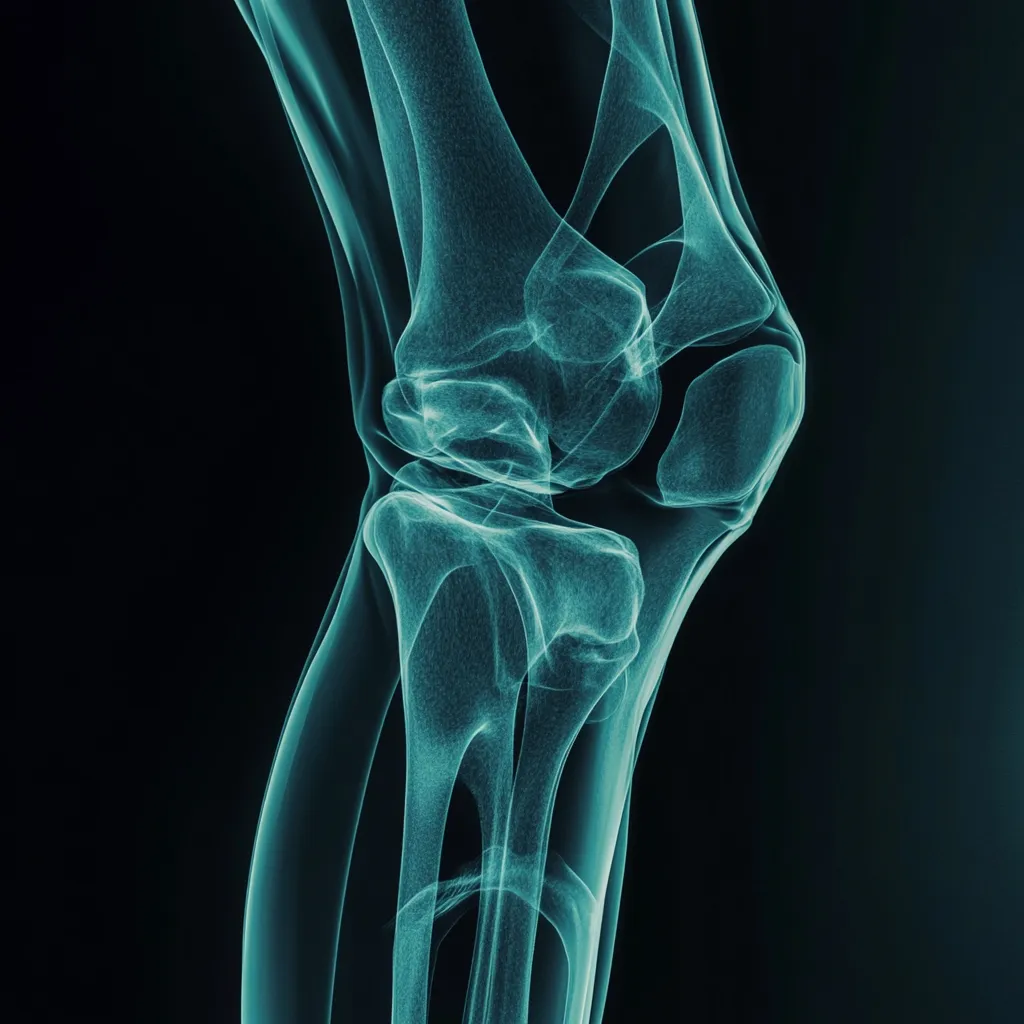
Knee Osteoarthritis
⚠️Strongest off-label evidence. Multiple RCTs (Michalsen 2003, Andereya 2008, Lauche 2014) demonstrate clinically significant pain reduction measured by validated instruments (WOMAC, DASH, VAS) at 4-12 weeks. One direct comparison showed non-inferiority to topical diclofenac for knee OA pain. Proposed mechanisms include local anti-inflammatory effects (eglin c, bdellins), counter-irritation, and improved microcirculation to subchondral bone.
Typical protocol: 4-6 leeches applied around the affected knee joint, 1-2 sessions separated by 4-7 days. Benefits typically observed within 3-7 days and sustained for 2-3 months.
Evidence: 4+ RCTs (n=51-113), moderate effect sizes; GRADE: moderate certainty
→ View detailed evidenceChronic Venous Insufficiency
⚠️Controlled studies demonstrate improvement in edema, pain, leg heaviness, and skin changes when leech therapy is added to standard compression therapy. The anticoagulant and anti-inflammatory properties of leech SGS directly address the pathophysiology of venous stasis — microthrombi formation, inflammatory venous wall damage, and impaired microcirculation. Integration with compression and exercise programs appears synergistic.
Typical protocol: 2-4 leeches per session applied along varicose veins or around affected skin, repeated 2-4 times over 2-4 weeks. Combined with graduated compression stockings.
Evidence: RCTs + cohort studies (n=45-80); GRADE: low-moderate certainty
→ View detailed evidencePost-Thrombotic Syndrome
⚠️PTS develops in 20-50% of DVT patients despite anticoagulation, causing chronic pain, swelling, skin changes, and ulceration. Clinical studies show improved Villalta scores and quality of life with leech therapy, particularly in patients who have failed compression and pharmacotherapy. The theoretical rationale is compelling: anticoagulant effects (hirudin, calin) address residual thrombosis, anti-inflammatory compounds (eglin, bdellins) target venous wall damage, and fibrinolytic activity (destabilase) may clear microthrombi.
Evidence: RCTs + prospective cohorts (n=35-68); GRADE: low certainty
→ View detailed evidenceChronic Wound Healing
⚠️Growing evidence supports leech therapy as adjunct to standard wound care for chronic wounds (diabetic ulcers, venous ulcers, complex wounds). Multiple mechanisms contribute: mechanical debridement, antimicrobial activity of destabilase, anti-inflammatory effects reducing chronic wound inflammation, and improved microcirculation enhancing oxygen and nutrient delivery to wound bed. Application is typically perilesional (around the wound edge) rather than directly on the wound.
Evidence: Cohort studies (n=40-62); 60-70% healing rates; GRADE: low certainty
→ View detailed evidenceOff-Label Use Requirements
Tier C: Investigational Applications
The following applications have preliminary evidence only. They are not established treatments and should only be pursued in formal research protocols with appropriate ethical oversight.
Hypertension
🔬Small pilot studies suggest modest, transient blood pressure reductions following leech application. However, the evidence has critical limitations: small sample sizes (n=16-50), lack of adequate blinding, short follow-up, and inability to control for placebo/expectation effects. The proposed mechanisms (blood volume reduction, vasoactive compound release) are biologically plausible but unproven.
Clinical recommendation: Evidence does NOT support clinical use for hypertension. Standard antihypertensive pharmacotherapy (ACE inhibitors, ARBs, CCBs, thiazides) has overwhelming evidence of mortality and morbidity benefit. Substituting or delaying proven therapy with unproven alternatives poses genuine cardiovascular risk.
Evidence quality: Very low; GRADE: very low certainty
→ View evidence critiqueChronic Pain Syndromes
🔬Exploratory studies in low back pain, lateral epicondylitis (tennis elbow), and migraine show variable results. The evidence is limited by small samples, difficulty with blinding (patients know whether a leech is applied), and the strong placebo response typical of pain studies. Evidence quality is comparable to that for acupuncture in similar conditions — suggestive but insufficient for clinical recommendations.
Proposed mechanisms include: gate control theory (counter-irritation), local anti-inflammatory effects, endorphin release, and possible TRPV1 receptor modulation. These remain hypothetical.
Evidence quality: Low; blinding challenges; GRADE: low certainty
→ View evidence summaryResearch Priority
Patient Selection
Careful patient selection is critical for safe and appropriate leech therapy across all indications.
Contraindications
| Contraindication | Type | Rationale | Notes |
|---|---|---|---|
| Hemophilia / severe coagulopathy | Absolute | Uncontrollable bleeding risk | Factor levels must be assessed |
| Severe arterial insufficiency | Absolute | Tissue cannot tolerate additional blood loss | ABI <0.5 at application site |
| Known leech allergy | Absolute | Anaphylaxis risk | Rare; history of prior reaction |
| Therapeutic anticoagulation | Relative | Excessive bleeding | Individual risk-benefit; may proceed with close monitoring |
| Immunosuppression | Relative | Increased Aeromonas infection risk | Extended antibiotic prophylaxis; close wound monitoring |
| Severe thrombocytopenia (<50k) | Relative | Prolonged bleeding | Platelet transfusion support may be needed |
| Severe anemia (Hgb <7) | Relative | Limited physiologic reserve | Transfuse before treatment; ensure blood products available |
Pre-Treatment Assessment
Required Labs
- • CBC with differential
- • PT/INR, aPTT
- • Type and screen
- • BMP (baseline renal function)
- • Allergy history (fluoroquinolones, sulfonamides)
Clinical Assessment
- • Vascular status (ABI if applicable)
- • Immune status review
- • Current medications (anticoagulants, antiplatelets)
- • Prior leech exposure / allergy history
- • Psychological readiness (patient aversion screening)
Institutional Implementation
Establishing a hirudotherapy program requires multidisciplinary coordination across surgery, pharmacy, nursing, infection control, and administration.
Policy Framework
- • Written clinical protocol (indications, contraindications, procedures)
- • Informed consent templates (including off-label disclosure where applicable)
- • Antibiotic prophylaxis standing orders
- • Transfusion trigger guidelines
- • Adverse event reporting and management procedures
- • Supply chain management (ordering, storage, inventory)
Staff Competency
- • Didactic training (biology, pharmacology, indications)
- • Hands-on competency (application, monitoring, removal)
- • Annual competency reassessment
- • Nursing documentation standards
- • Emergency management (excessive bleeding, allergic reaction)
Quality Metrics
- • Flap/graft salvage rate
- • Infection rate (target: <5% with prophylaxis)
- • Transfusion rate and units per course
- • Length of leech course (days)
- • Adverse events per 100 applications
Supply Chain
- • Contract with FDA-cleared supplier
- • Pharmacy or supply chain ownership
- • Storage conditions (5-20°C dechlorinated water)
- • Lot tracking and chain-of-custody documentation
- • Biohazard disposal protocol (single-use, no reuse)