Reconstructive Microsurgery: The FDA-Cleared Indication
Medicinal leeches are the only FDA 510(k)-cleared biological device for venous congestion in tissue flaps and replantation — the standard of care in reconstructive microsurgery worldwide
FDA-Cleared Indication
Tier 1 — FDA 510(k)-Cleared. Medicinal leeches (Hirudo medicinalis and H. verbana) are FDA-cleared medical devices (510(k) K040187, June 2004) for the management of venous congestion in tissue flaps and replantation surgery. This is the only FDA-cleared indication for medicinal leeches in the United States.
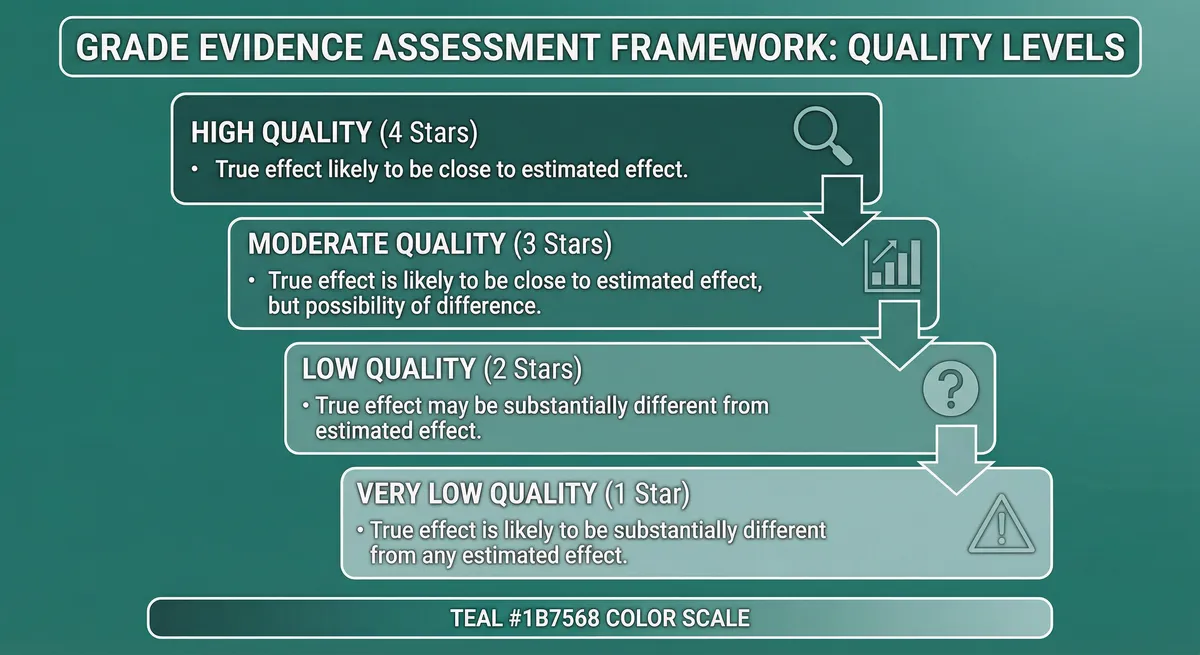
GRADE Evidence Level: High
Consistent results from well-designed RCTs or overwhelming observational evidence
FDA 510(k) Clearance: Three Approved Manufacturers
The FDA has cleared medicinal leeches through three separate 510(k) submissions, establishing a robust regulatory foundation for clinical use in reconstructive microsurgery. All three clearances are for the identical indication: management of venous congestion to improve circulation in grafted or compromised tissue following surgery.
K040187 — Ricarimpex SAS
Cleared: June 28, 2004
Product: Hirudo medicinalis
Supply: ~80,000 leeches/year to US hospitals
The original 510(k) clearance. Ricarimpex (Bordeaux, France) remains the dominant supplier to the US market.
K132958 — Biopharm Leeches
Cleared: February 24, 2014
Product: Hirudo verbana
Supply: ~20,000 leeches/year to US hospitals
Second manufacturer cleared. Biopharm (Swansea, Wales) breeds H. verbana, the species used in most modern clinical research.
K140907 — Carolina Biological
Cleared: August 18, 2015
Product: Hirudo verbana
Third manufacturer cleared. Carolina Biological Supply Company (Burlington, NC) provides an additional US-based supply option.
CBER Jurisdiction Transfer (December 2024)
Definitive Clinical Evidence
The evidence base for medicinal leeches in reconstructive microsurgery consists of 4 systematic reviews, multiple large retrospective studies, and decades of consistent clinical experience across academic medical centers worldwide. While no randomized controlled trials exist — nor are they ethically feasible for an FDA-cleared standard of care — the converging evidence from independent systematic reviews establishes a robust efficacy profile.
| Study | Design | Population (n=) | Intervention | Key Outcome | Result |
|---|---|---|---|---|---|
| Whitaker et al. 2012 | Systematic review | All plastic/reconstructive surgery cases with venous congestion (67 publications, 1966-2009) (n=277) | Medicinal leech therapy for flap salvage and tissue replantation | Overall tissue salvage rate; complication profile | 78% salvage (216/277); 88.3% without infection vs 37.4% with infection; 49.75% transfusion rate Landmark systematic review. 14.4% overall infection rate; 21.8% complication rate. Established the definitive salvage rate benchmark. |
| Cornejo et al. 2017 | Retrospective cohort | Patients requiring leech therapy following microsurgical reconstruction at a single academic center (n=87) | Medicinal leech therapy; average 74.4 leeches per patient over treatment course | Tissue salvage rate; leech utilization; complications | 60.9% overall success rate; 55% transfusion rate; 13.8% infection rate Largest single-center retrospective study. Documented the most detailed leech utilization data: avg 74.4 leeches/patient, providing critical cost-effectiveness data. |
| Herlin et al. 2017 | Systematic review + retrospective cohort | Free flap patients with venous congestion (41 studies reviewed + own 43-patient series) (n=41 studies) | Medicinal leeches with ciprofloxacin + TMP-SMX prophylaxis | Flap salvage rate stratified by timing of intervention | 83.7% salvage within 24h; 38.6% when delayed beyond 24h Established the critical 24-hour timing window. 45-percentage-point decline with delayed therapy. Recommended cipro + TMP-SMX as first-line prophylaxis. |
| Kuhn et al. 2019 | Comprehensive review | All plastic and reconstructive surgery flap patients (n=NR) | Medicinal leech therapy as standard of care for venous decompression | Confirmation of salvage rate; standard-of-care positioning | 78% salvage confirmed; leech therapy positioned as standard of care when surgical revision fails Published in Plastic and Reconstructive Surgery — Global Open. Confirmed the Whitaker 2012 benchmark. |
| Smolle et al. 2024 | Systematic review | Breast reconstruction patients; 18 studies (4 case series, 14 case reports); 28 patients (n=28) | Medicinal leech therapy for flap congestion; median 2 leeches/session, 3 sessions/day, 3 days | Tissue salvage rate; complication burden | 75% salvage; 81% complication rate (infection and anemia dominant) First systematic review dedicated to breast surgery. Concluded judiciously used given high complication burden. |
Why No Randomized Controlled Trials Exist
Microsurgical Applications: Salvage Rates by Indication
Medicinal leeches are used across the full spectrum of reconstructive microsurgery wherever venous congestion threatens tissue viability. Each application falls within the FDA 510(k)-cleared indication for venous congestion management in compromised tissue flaps and replantation.
Digit Replantation
68–83%
Salvage rate
Most common indication. Venous anastomosis often impossible in distal amputations (zone I/II), making leeches the primary venous outflow mechanism. Soucacos 1994: 83% salvage in 29 replantation cases.
Ear Replantation
70–87%
Salvage rate
Auricle has no reliable veins for microsurgical anastomosis. Leeches are frequently the only viable venous decompression method. Over 84 cases reported cumulatively in the literature.
Lip & Nose Replantation
75–85%
Salvage rate
Facial subunit replantation depends on leech therapy for venous decompression. Small-caliber veins make microsurgical venous repair unreliable. Hamburg University series documented consistent success.
Breast Reconstruction (DIEP/TRAM)
75%
Salvage rate (Smolle 2024)
Higher complication rate (81%) due to large flap volume requiring more leeches and longer treatment duration. Supplementary venous anastomosis may offer superior outcomes for DIEP flaps.
Free Flaps (General)
78–84%
Salvage rate
Standard of care when venous thrombosis or congestion occurs postoperatively and surgical revision is not feasible or has failed. 83.7% salvage when initiated within 24 hours (Herlin 2017).
Pedicled Flaps
78%
Salvage rate
Venous congestion in pedicled flaps (e.g., pectoralis major, latissimus dorsi) responds well to leech therapy. Lower complication burden than free flaps due to shorter treatment courses.
The Critical 24-Hour Timing Window
Timing Determines Outcome
Within 24 Hours
83.7%
Flap salvage rate
Prompt recognition and immediate leech application. Most academic centers have nursing protocols for immediate initiation upon clinical detection of venous congestion (dark purple color, turgid tissue, brisk dark blood on pinprick).
Beyond 24 Hours
38.6%
Flap salvage rate
Delayed initiation results in a 45-percentage-point drop in salvage. Irreversible tissue damage from sustained venous hypertension, interstitial edema, and thrombotic propagation reduce treatment efficacy.
Clinical Implications for Hospital Protocols
The 24-hour timing data mandates that institutions maintain leech availability around the clock. EMR-integrated order sets should enable stat leech application within 30 minutes of clinical detection. Night and weekend availability is critical — venous congestion does not follow a business-hours schedule. Application frequency: every 2–8 hours; treatment duration: 4–10 days (median 3–5 days).
Hospital Adoption: Major US Academic Medical Centers
Medicinal leeches are stocked and used routinely by plastic and reconstructive surgery departments at major academic medical centers across the United States. The following institutions have published institutional protocols, case series, or are known to maintain active leech therapy programs.
| Institution | Department(s) | Primary Applications |
|---|---|---|
| Johns Hopkins Hospital | Plastic Surgery, Otolaryngology | Free flap salvage, digit replantation, ear reconstruction |
| Cleveland Clinic | Plastic Surgery, Hand Surgery | Microsurgical flap salvage, digit replantation |
| Duke University Medical Center | Plastic & Reconstructive Surgery | Free flap monitoring, breast reconstruction salvage |
| Baylor College of Medicine | Plastic Surgery, Hand & Microsurgery | Digit replantation, free tissue transfer |
| Tampa General Hospital / USF | Plastic Surgery | Free flap salvage, published institutional protocol |
| Stanford University Medical Center | Plastic & Reconstructive Surgery | Microsurgical reconstruction, breast reconstruction |
| Massachusetts General Hospital | Plastic Surgery, Orthopaedic Hand Service | Replantation, free flap salvage, composite tissue |
US Leech Supply Chain
Institutional Protocol: Standard of Care Parameters
The following protocol parameters represent consensus practice at US academic medical centers, synthesized from published institutional protocols, systematic reviews, and expert practice patterns.
| Parameter | Standard Protocol | Notes |
|---|---|---|
| Leech count per application | 1–6 leeches per session | Typically 2–3 for digit/ear; 4–6 for large free flaps; titrated to flap size and congestion severity |
| Application frequency | Every 2–8 hours | Every 2–4 hours initially; extend to every 6–8 hours as congestion improves; continuous assessment guides frequency |
| Treatment duration | 3–10 days (median 4–5 days) | Continue until venous outflow re-established (stable color, normal capillary refill, no congestion for 12–24 hours without leeches) |
| Average leeches per course | 74.4 leeches/patient (Cornejo 2017) | Range: 10–200+ depending on flap size and duration; breast reconstruction courses tend to be longer |
| Antibiotic prophylaxis | Ciprofloxacin 500mg PO BID + TMP-SMX DS PO BID | Start before first leech application; continue 24–48 hours after last application. Cipro monotherapy increasingly unreliable (43% resistance in environmental isolates) |
| Hematologic monitoring | CBC every 4–8 hours during active treatment | Transfuse pRBC if Hgb <7 g/dL (<8 g/dL with cardiac comorbidity); maintain 2 units crossmatched and available |
| EMR order set components | Leech application, antibiotic prophylaxis, CBC frequency, transfusion thresholds, flap monitoring schedule | Standardized order sets reduce medication errors and ensure protocol compliance; should include nursing education materials |
EMR-Integrated Order Sets
Cost-Effectiveness Analysis
Leech therapy is cost-effective relative to the surgical procedures it salvages. The direct cost of leeches is a small fraction of the total cost of microsurgical reconstruction, and successful salvage avoids the far greater expense of flap failure, return to the operating room, and prolonged hospitalization.
$10–30
Cost per leech
74.4
Average leeches per patient (Cornejo 2017)
$750–2,200
Total leech cost per treatment course
1–3 days
Cost-effective treatment duration
| Study | Design | Population (n=) | Intervention | Key Outcome | Result |
|---|---|---|---|---|---|
| Cornejo et al. 2017 | Retrospective cost analysis | 87 patients requiring leech therapy after microsurgical reconstruction (n=87) | Medicinal leech therapy; avg 74.4 leeches/patient | Direct cost of leech therapy vs. cost of flap failure and reoperation | $750–$2,200 for leeches alone; avg additional hospital stay 3–5 days; transfusion costs additional Direct leech cost is <5% of total microsurgical procedure cost ($15,000–$50,000+). Flap failure requiring reoperation costs $25,000–$75,000 additional. |
The Economic Case for Leech Therapy
Alternative Venous Decompression Methods
While medicinal leeches remain the standard of care, several alternative approaches to venous decompression exist. None have demonstrated equivalent efficacy in clinical studies, and none have achieved FDA clearance for this indication.
| Method | Mechanism | Salvage Rate | Limitations |
|---|---|---|---|
| Medicinal leeches (standard of care) | Combined mechanical blood removal + pharmacologic anticoagulation (hirudin, calin, destabilase) providing 24–48h continued bleeding | 78% (Whitaker 2012) | Aeromonas infection risk (14.4%); transfusion requirements (50%); patient/staff aversion |
| Heparin pledgets / chemical leech | Topical heparin-soaked gauze applied to scarified tissue; local anticoagulation effect only | Limited data; estimated 40–60% | No pharmacologic synergy; requires repeated scarification; less effective for deep tissue congestion |
| Mechanical leeching devices | Suction-based devices that create negative pressure for blood removal; no pharmacologic component | Insufficient clinical data | No anticoagulant effect; no continued post-application bleeding; prototype stage; no FDA clearance |
| Surgical venous revision | Microsurgical re-anastomosis of thrombosed or kinked veins; addresses the root cause when technically feasible | Variable; depends on cause | Not always technically feasible; may damage adjacent structures; failure leads to leech therapy as rescue |
Safety Considerations and Complication Management
The Primary Complication: Aeromonas hydrophila
Infection Rate
14.4%
Overall (Whitaker 2012)
Without prophylaxis: 7–20%. With ciprofloxacin + TMP-SMX prophylaxis: <2%. Nguyen et al. (2012) reported 0% infection rate (0/39) with standardized prophylaxis.
Transfusion Rate
50%
In surgical settings
49.75% of patients required blood transfusion (Whitaker 2012). Each leech removes 5–15 mL of blood, with an additional 50–150 mL from post-detachment oozing over 24–48 hours. Multiply by 74.4 average leeches per course.
Bleeding Management
CBC q4–8h
During active treatment
Maintain hemoglobin >7 g/dL (>8 g/dL with cardiac comorbidity). Keep 2 units pRBC crossmatched and available. Aggressive IV hydration to compensate for blood loss. Monitor coagulation panel daily.